
Best Books for Entrepreneurs and Founders
Eight books every entrepreneur should read, each cut to the ideas that change how you decide, sell and build.

Most lists of the best books for entrepreneurs are fifty titles long. Nobody building a company has time for fifty books, and most of them make one good point stretched over three hundred pages.
This list is eight books. Each one links to a synthesis that cuts the book to the 20% that changes how you decide, sell and build, with the parts that don't hold up flagged rather than repeated.
Why founders need the 20%, not the whole book
A founder's scarcest resource isn't money. It's attention. Every hour spent reading is an hour not spent on customers, product or hiring, so a book has to earn its place by changing a decision.
That's the test each synthesis is built around. Not "what does the book say" but "what would you do differently on Monday". You get the core idea, the one or two frameworks worth keeping, a short "do this today" step and three prompts you can run on your own business.
How to use this list
- Pick the book that matches the problem in front of you. Pitching soon: Start With Why. A big hire or a hard negotiation: How to Win Friends and Influence People, then The 48 Laws of Power. A good revenue month: The Psychology of Money, before the lifestyle catches up.
- Read the synthesis in one sitting. Each is a few minutes, not a weekend.
- Run one of the prompts on your real situation. The prompts are where the reading turns into a decision.
- Only then decide if the full book earns a weekend. Some do. Thinking, Fast and Slow and The Almanack of Naval Ravikant reward a full read. Others give you most of their value in the synthesis.
The startup books that didn't make the cut
Plenty of famous startup books are missing here because there's no synthesis of them on the site yet. This page only lists books we have actually distilled, so every link goes somewhere useful. More get added as new syntheses are published.
The 8 books, and the part of each that matters
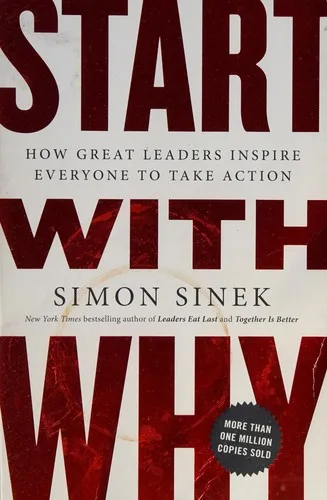 Start With WhyThe Golden Circle is a pitch tool before it's a philosophy: say why you exist first and the what gets easier to sell. The synthesis also flags where Sinek overreaches.Read the synthesis →
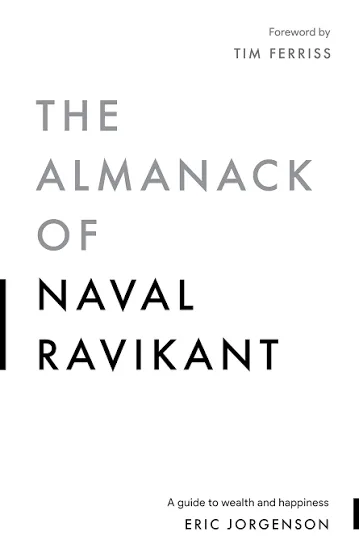 The Almanack of Naval RavikantSpecific knowledge, permissionless leverage and accountability under your own name. The three ideas that decide whether a company compounds or just keeps you busy.Read the synthesis →
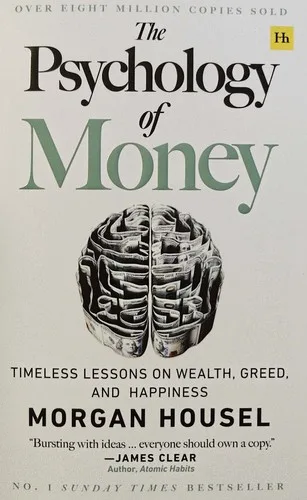 The Psychology of MoneyGetting rich and staying rich are two different games. Read it before your first good year, not after.Read the synthesis →
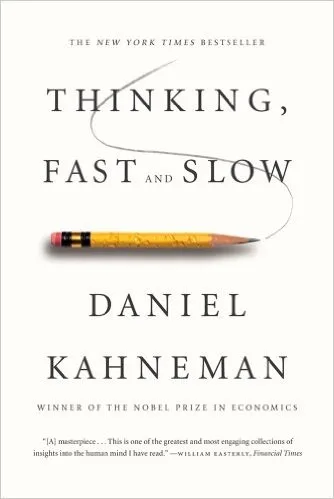 Thinking, Fast and SlowFounders decide fast and often. This one names the biases that cost the most and gives you the simple checks that catch them.Read the synthesis →
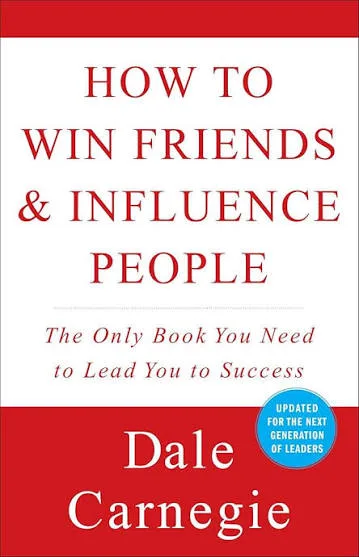 How to Win Friends and Influence PeopleHiring, selling and raising all run on the same skill: talk about what the other person wants. Carnegie's principles, minus what's dated.Read the synthesis →
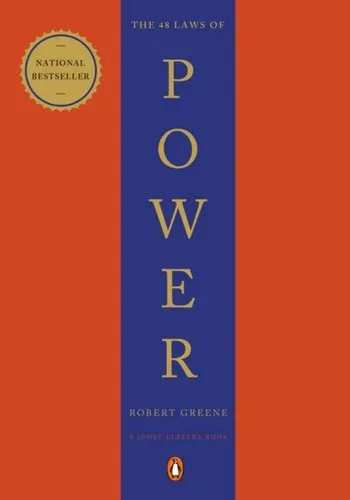 The 48 Laws of PowerRead defensively. Five patterns behind the 48 laws, so you can spot a power play in a negotiation or a board room before it lands.Read the synthesis →
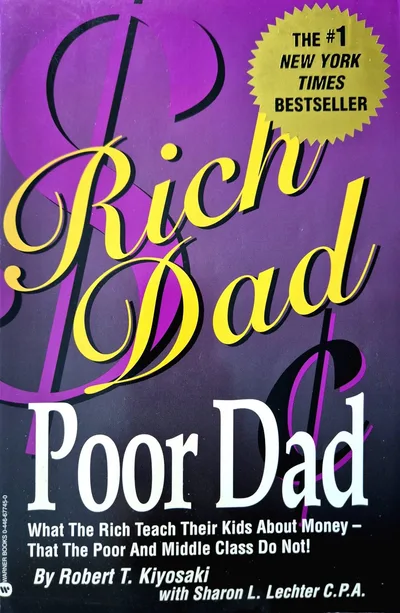 Rich Dad Poor DadAssets versus liabilities is the idea that holds up. The synthesis keeps that and tells you which parts of Kiyosaki to ignore.Read the synthesis →
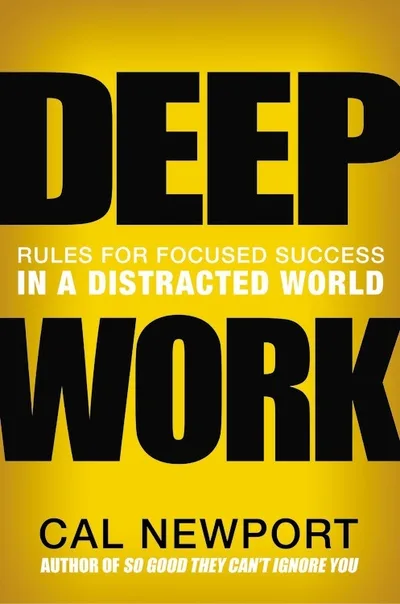 Deep WorkYour calendar fills itself. Newport's case for protecting long blocks of focus, and the rituals that make it stick when willpower runs out.Read the synthesis →
Get your number, then build the system
Run one book as a system: the Atomic Habits Action Vault
Reading is the start. The Action Vault turns Atomic Habits into a Notion workspace you run: workbooks, prompt packs, mental models and a 30-day plan. It's free, and it opens in your own Notion workspace.
Get the free vaultJoin the list for new syntheses and tools.
Free. No spam.